02 of 10
Then it gets numbers.
Wall thickness, draft angles, the radius your thumb finds without looking. I turn the sketch into CAD a factory can actually hold to.
Every product that reaches the shelf needs four of its own. That's the four in Form by Four.
Strong nuclear forceDesign
Without design, it stays an idea.
Weak nuclear forceManufacturing
Without manufacturing, it stays a render.
ElectromagnetismLaunch
Without a launch, it stays in the warehouse.
GravityCapital
Without capital, it stays small.
A drawing of one form held together by four forces: the strong nuclear force stands for design, the weak nuclear force for manufacturing, electromagnetism for launch, and gravity for capital. As you scroll, each force is taken away in turn and the form breaks.
Every product that reaches the shelf needs four of its own. That's the four in Form by Four.
Here's how a line becomes a product on a shelf.
02 of 10
Wall thickness, draft angles, the radius your thumb finds without looking. I turn the sketch into CAD a factory can actually hold to.
03 of 10
Boards, batteries, seals and screws. I design the parts nobody sees, with engineering partners I trust, so the parts everyone sees can stay this simple.
04 of 10
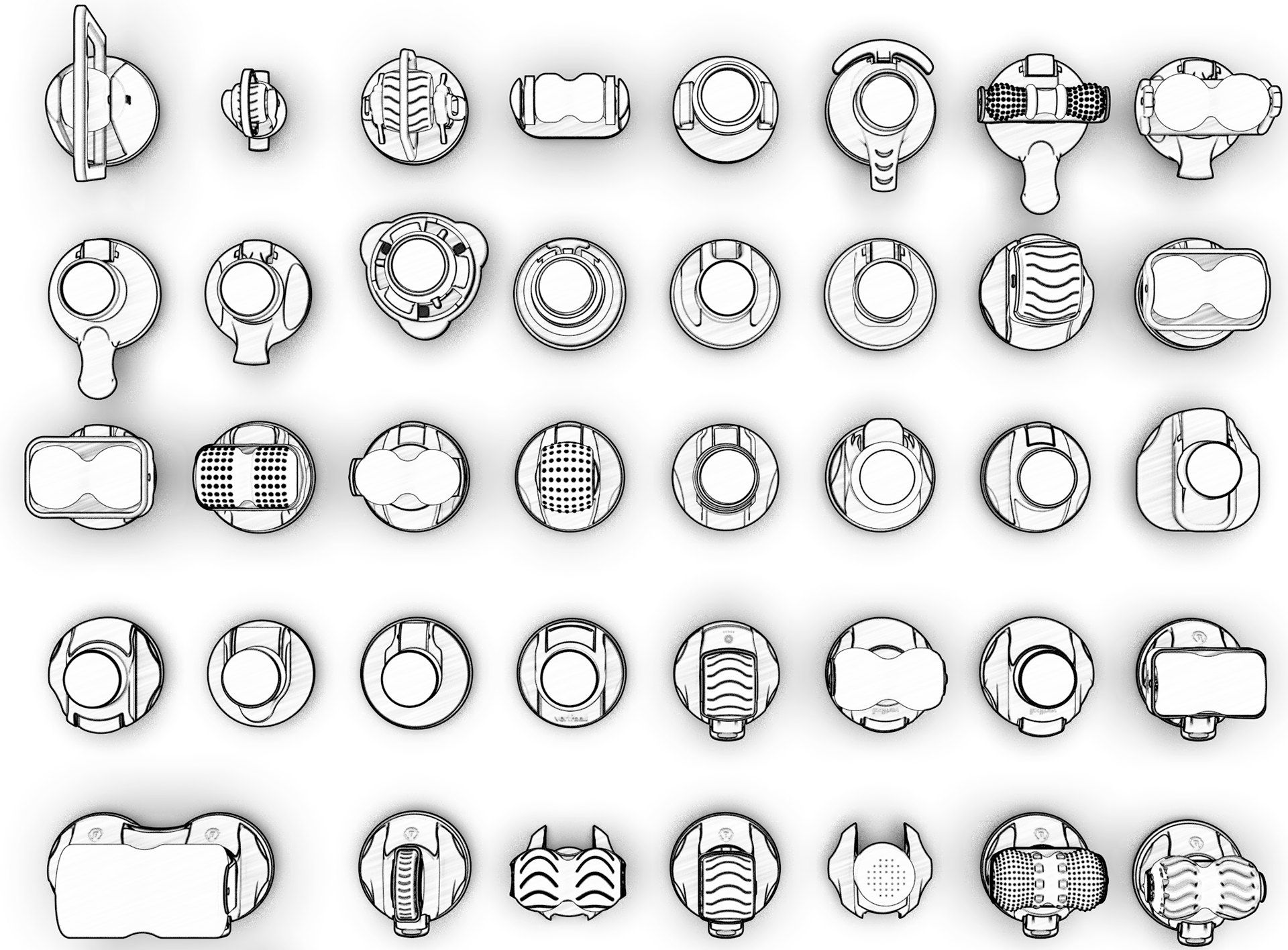
That's how many it took before my first product, Vertiball®, would hold to a wall. You can't skip this part. I can make it shorter.
05 of 10
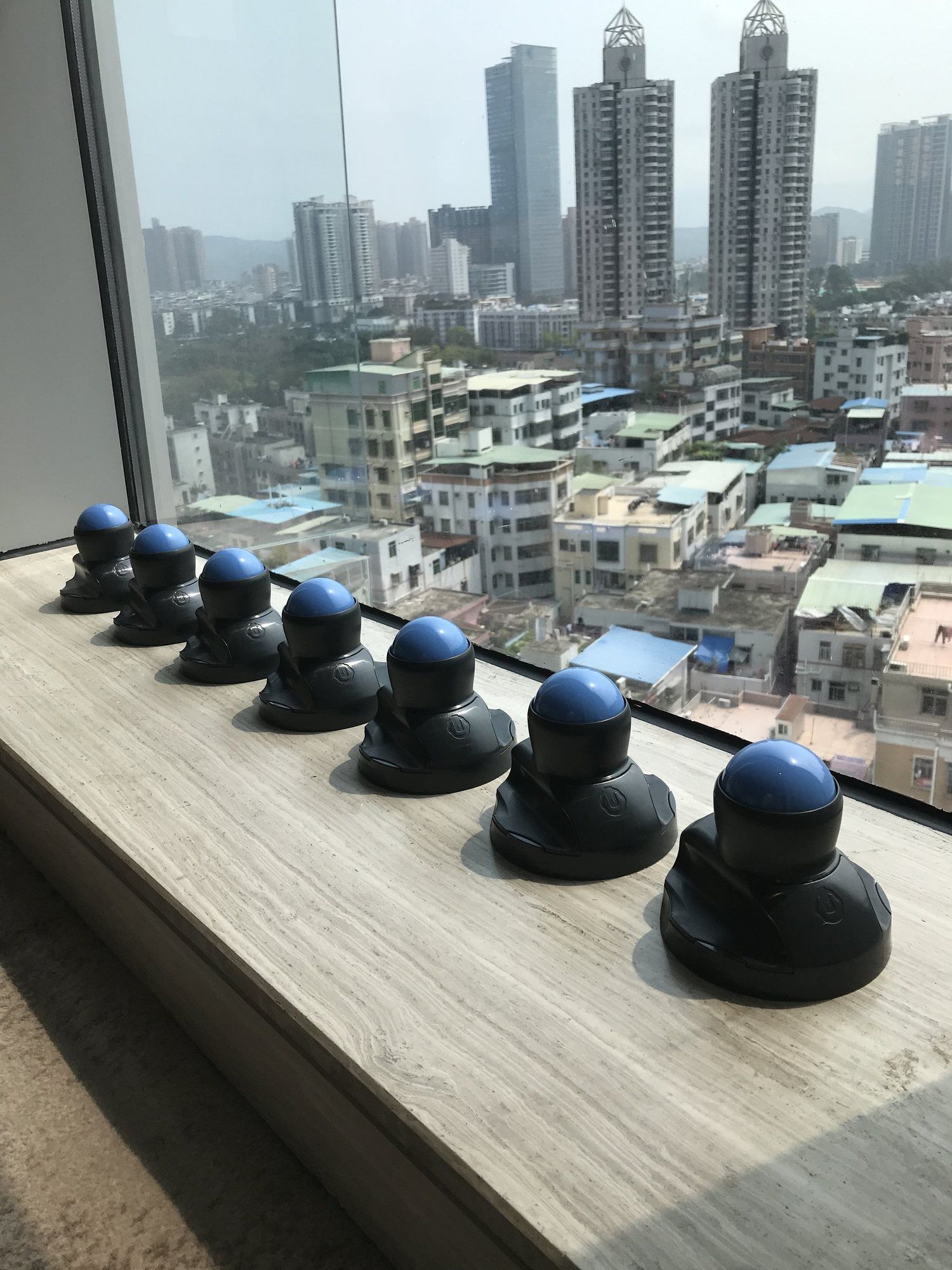
A massage ball that mounts to any wall, for the spots on your back you can't reach. Variation 220 is the one that held. The mount is patented, and more than 200,000 recovery bundles have sold through Amazon, Target, Best Buy and QVC.
See the Vertiball project06 of 10
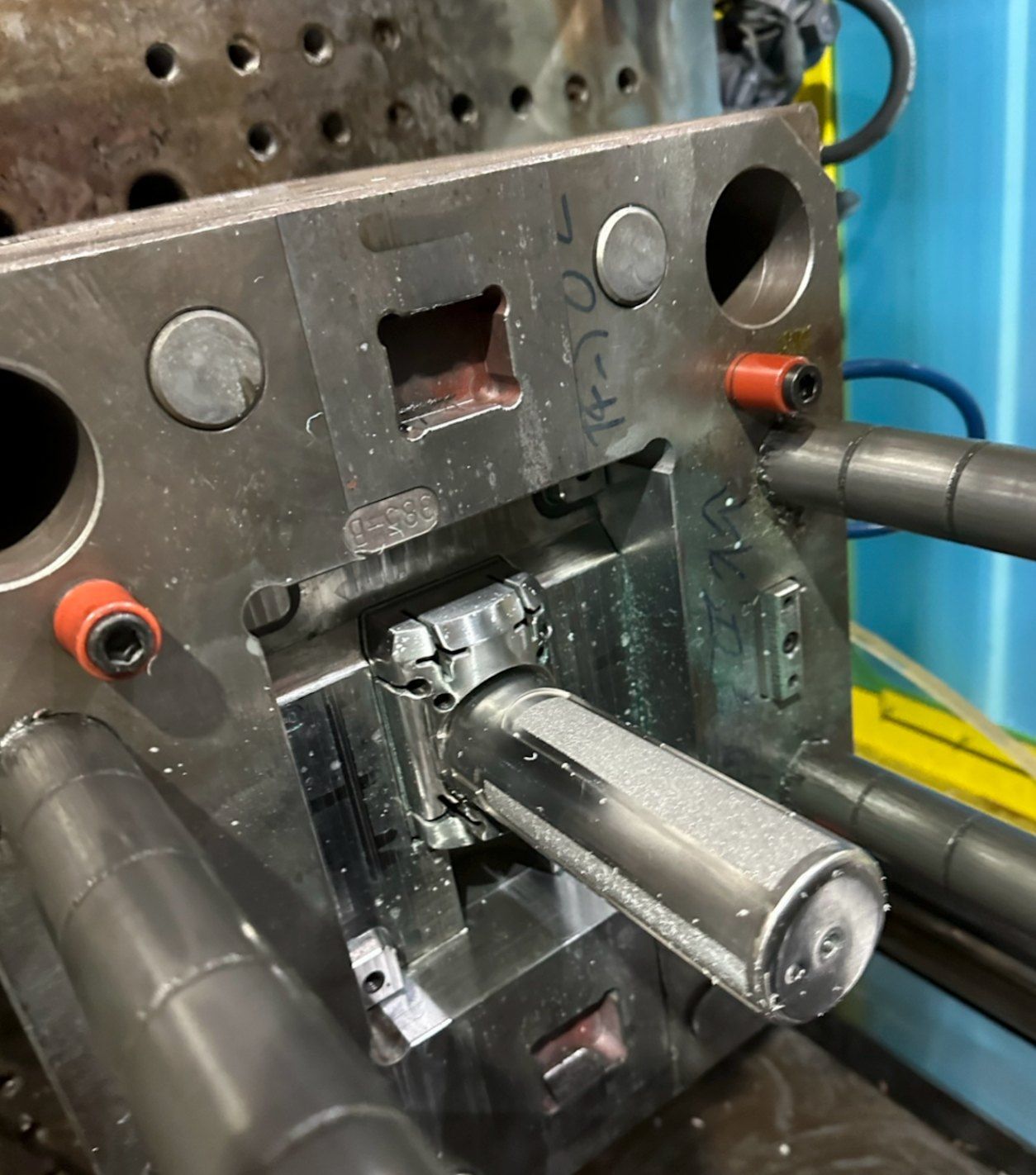
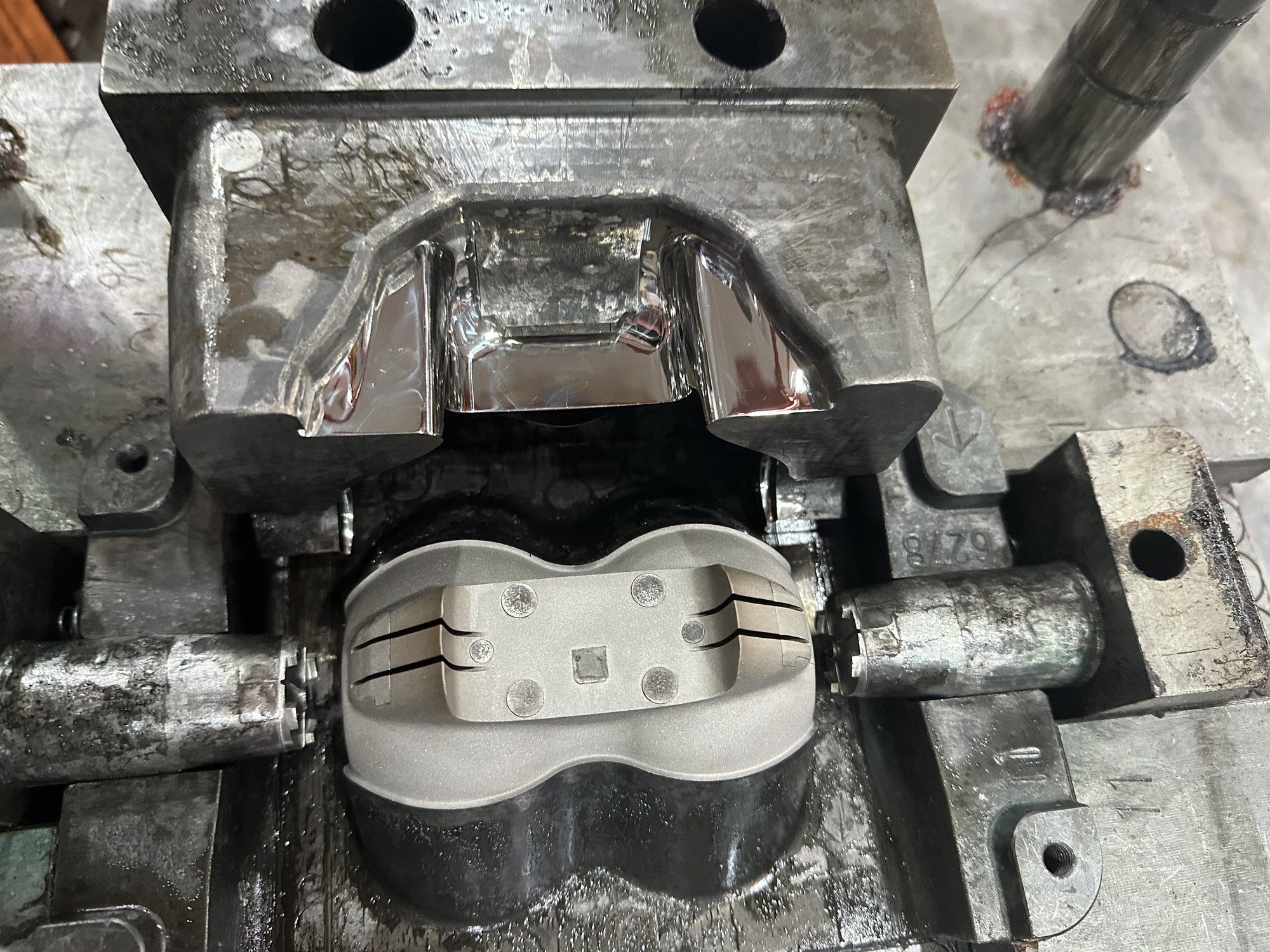
Tooling is usually the biggest cheque a hardware founder writes. I've designed or fixed about 20 moulds, standing on the factory floor, not over email.
07 of 10
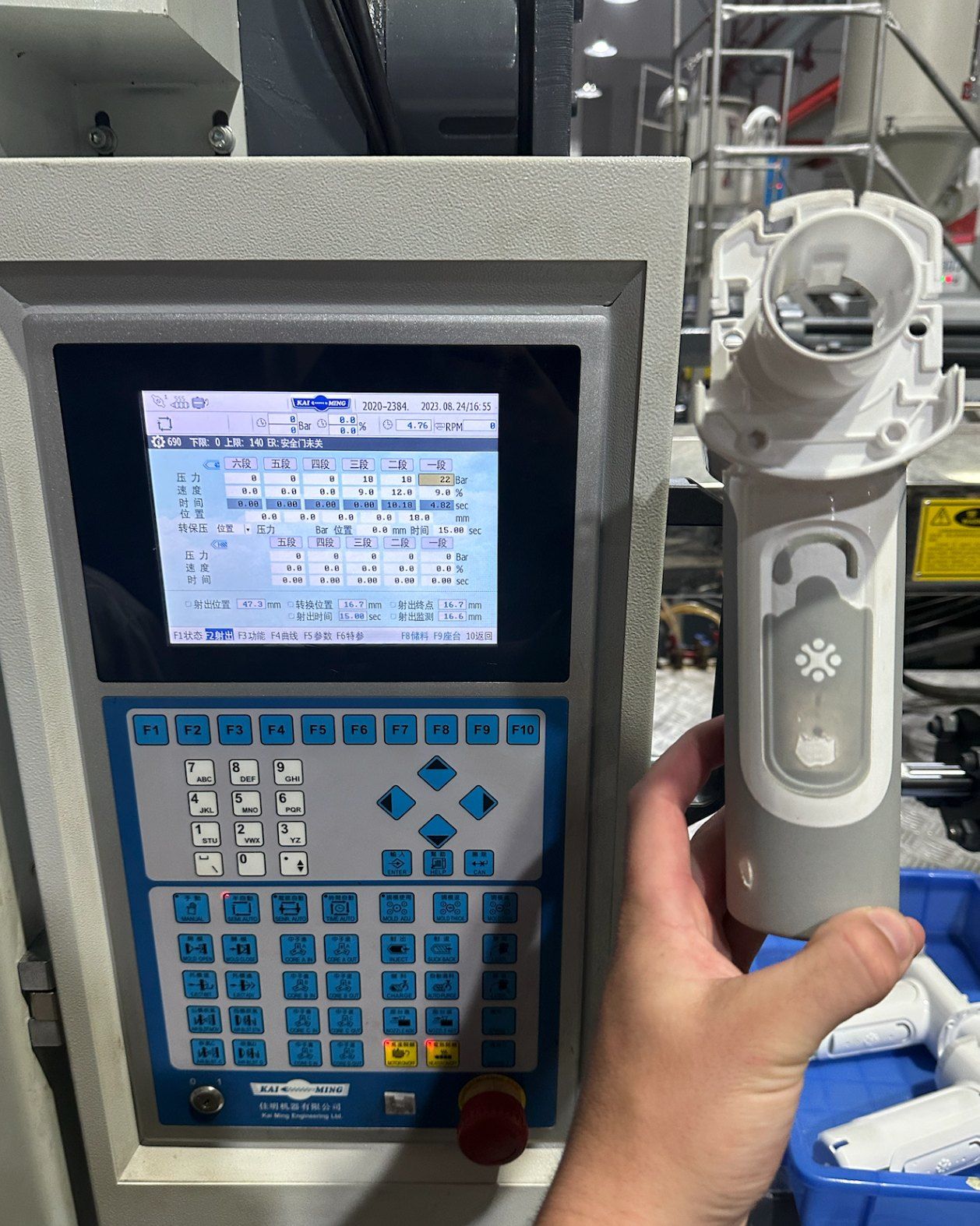
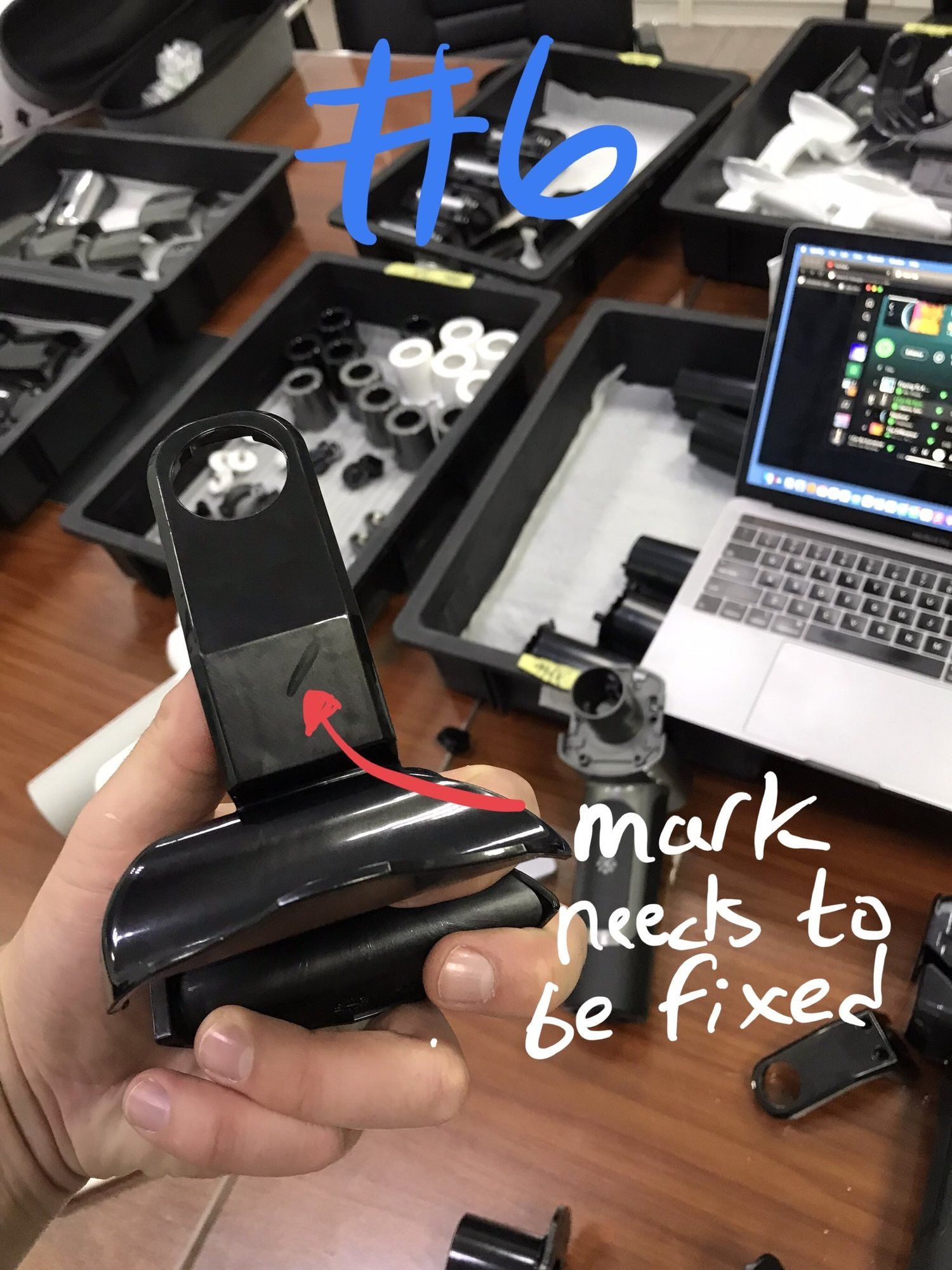
The first part out of a new mould tells you whether the last six months worked. I like to be standing at the press when it drops. Vertigun's first shots came out wrong. We tuned the mould settings until they didn't.
08 of 10
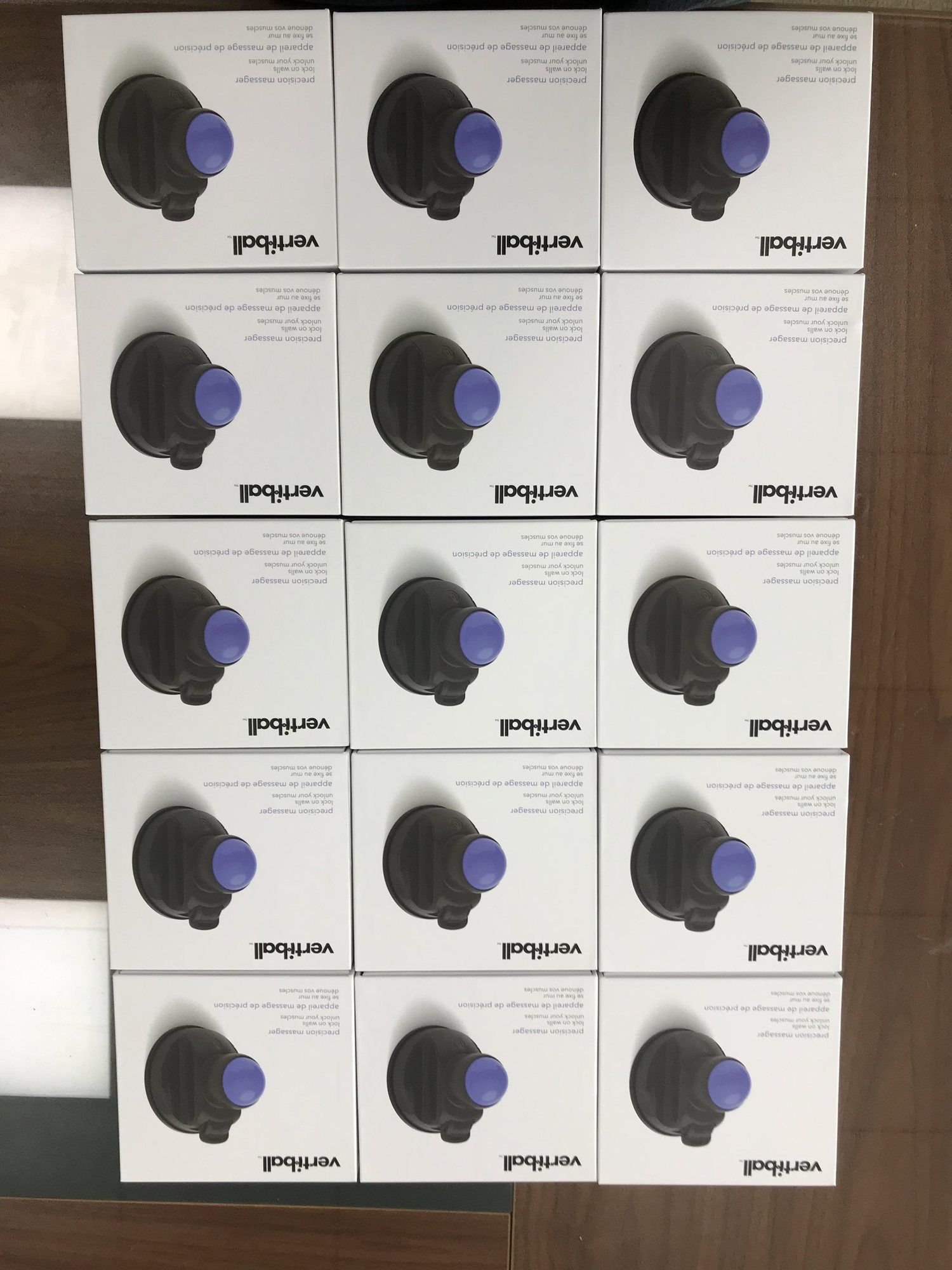
Assembly lines, quality checks and packing, written with the factory. The products I designed and launched at Symbodi reached more than 300,000 customers.
09 of 10
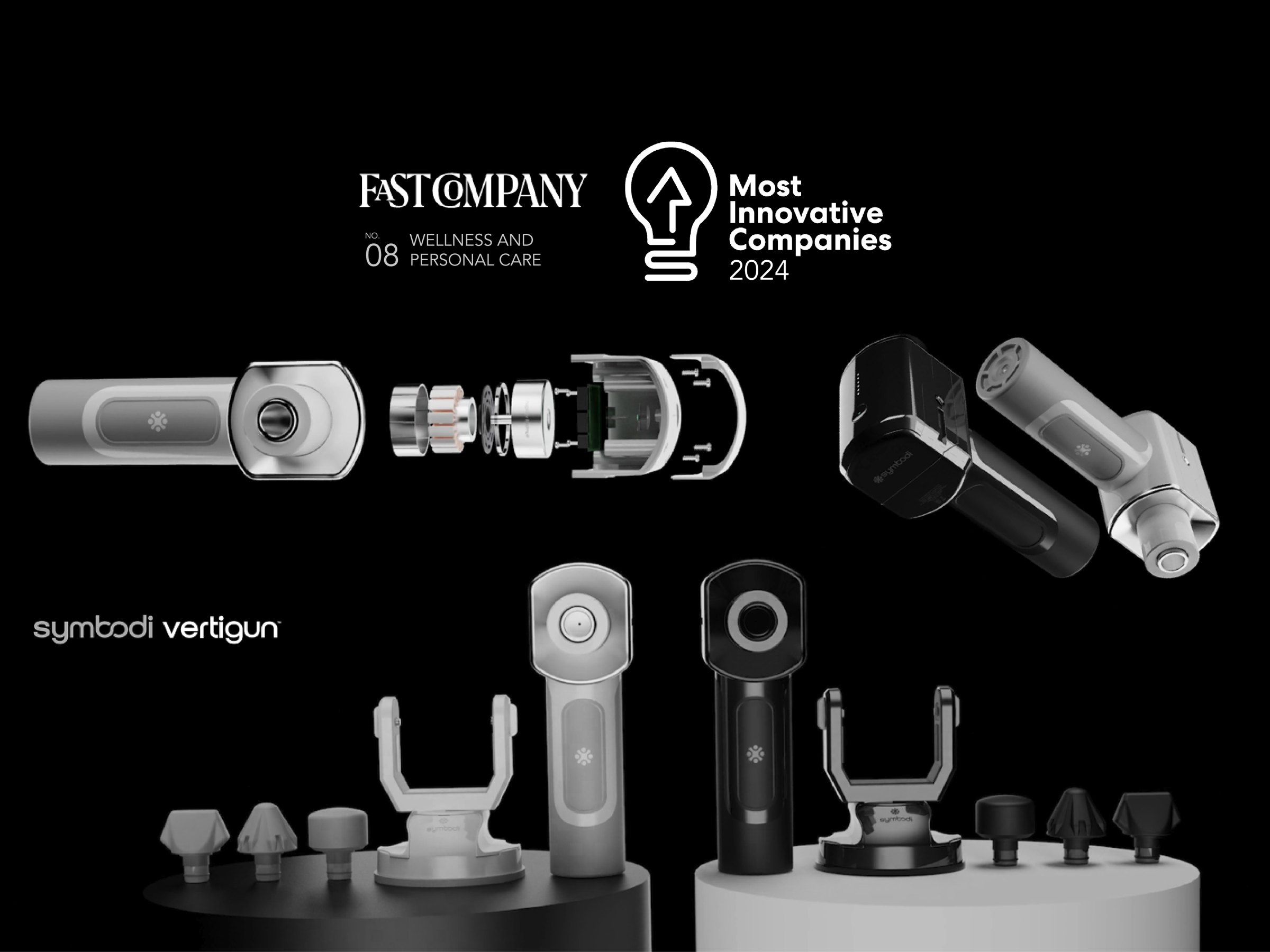
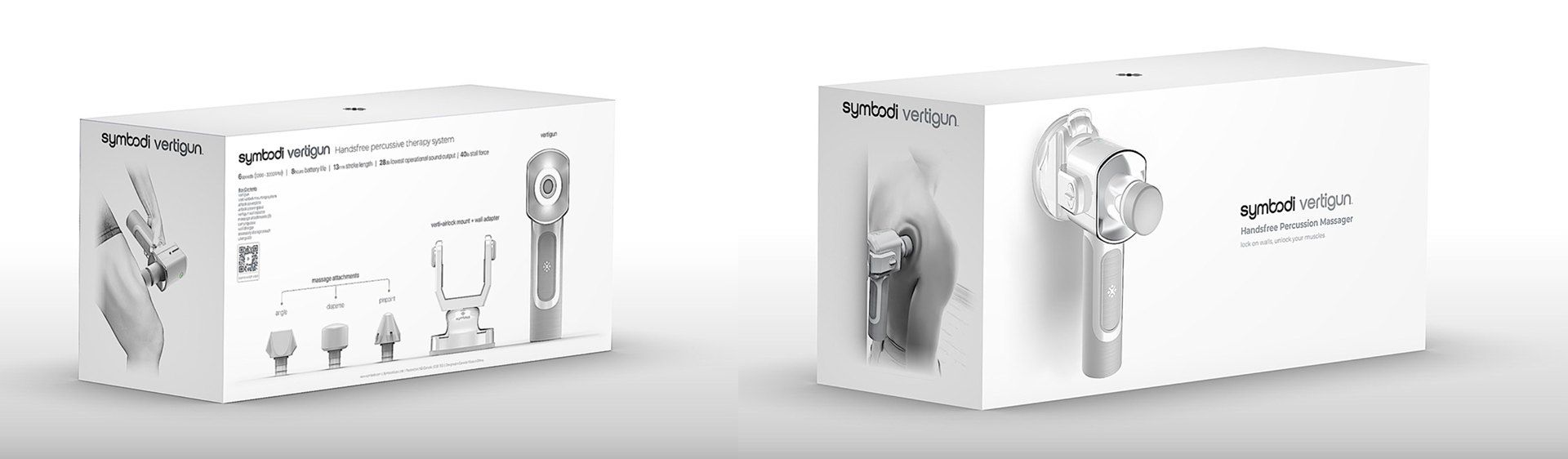
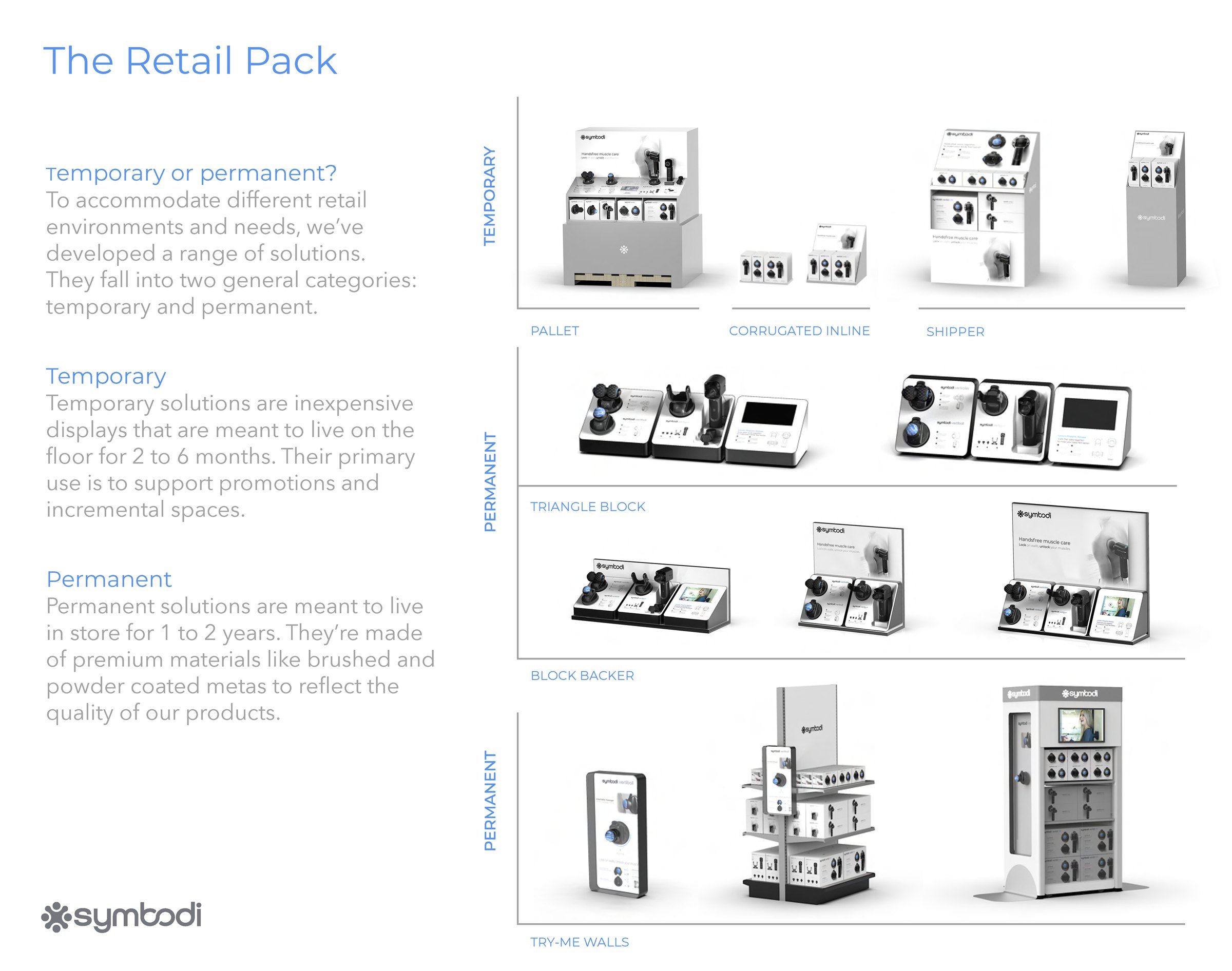
Retail boxes with an insert that holds the product still, quick start guides and store displays. My products sold through Amazon, Target, Best Buy and QVC, won a deal on Dragons' Den, and made Fast Company's Most Innovative Companies list in 2024.
10 of 10
That took you a minute. Yours will take longer, and it's worth doing properly. Bring me the sketch, the prototype or the problem.
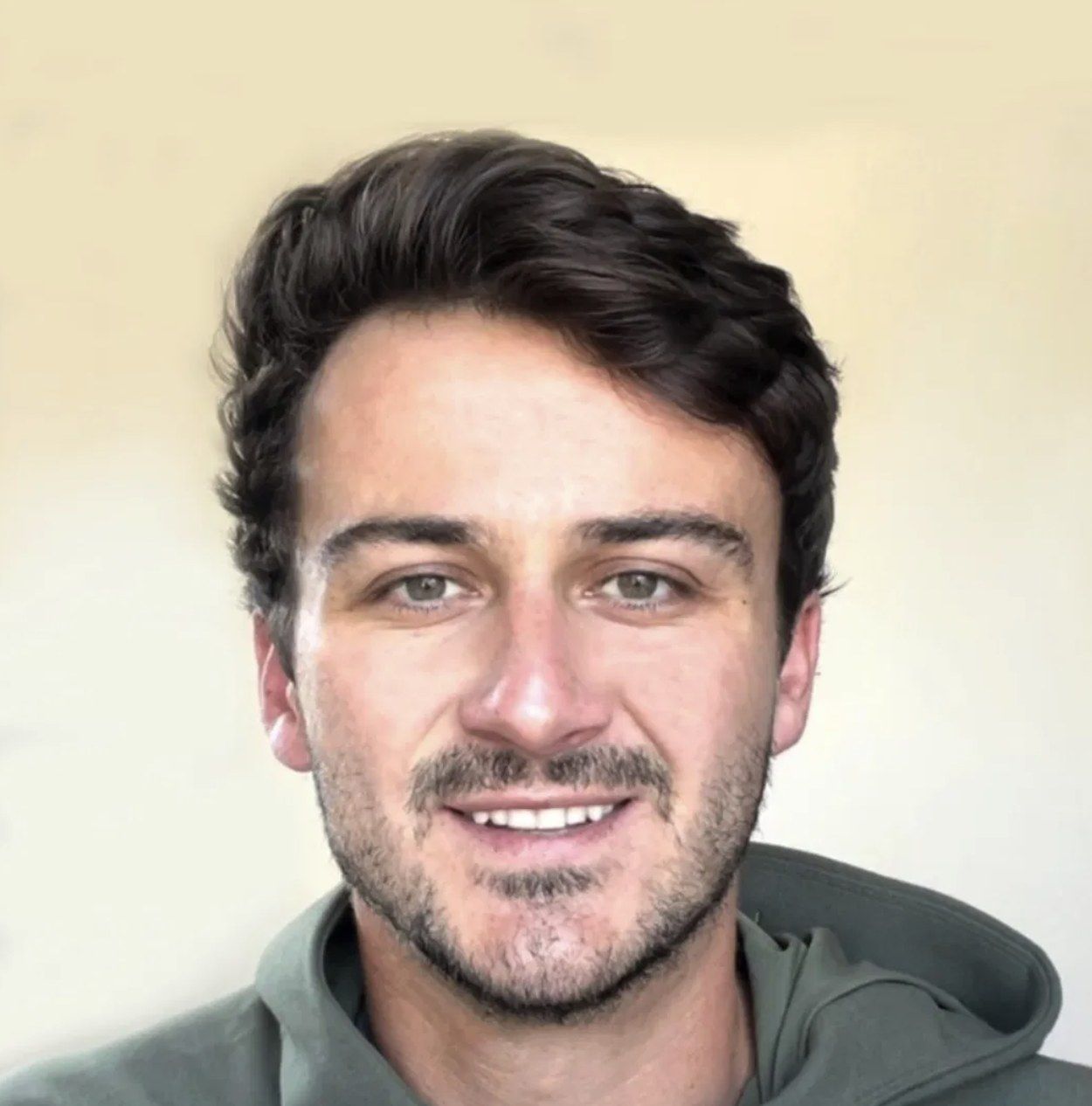
Curtis Kennedy, founder. Entrepreneur in Residence at UNB's J Herbert Smith Centre.
Now I help other founders do the same.
I spent six years building Symbodi, from a sketch in a university makerspace to Amazon, Target, Best Buy and QVC.
Our first product took 220 design variations to get right. Then came a deal on Dragons' Den, $6.5 million raised, more than $20 million in sales and more than 300,000 customers. Form by Four is how I help other founders get there faster, with fewer surprises.
Read the whole storyWhat each force covers in practice, and the work that proves it.
The strong nuclear force holds every atom together.
I turn the idea into a product a factory can actually build.
The weak nuclear force turns one kind of matter into another.
I find the right factory, get honest quotes, and stay with the product from first mould to first shipment.
Proof: Vertigun: about 20 moulds designed or retooled on the floor
Electromagnetism carries light, and everything you see and touch.
I make the product look as good as it works, on the shelf and on the screen.
Proof: One founder ad, shot on an iPhone: $5 million in sales
Gravity is the weakest force, and it still holds galaxies together.
I help you tell the story that pulls in investors, partners and retailers.
Same four forces. No two products alike.
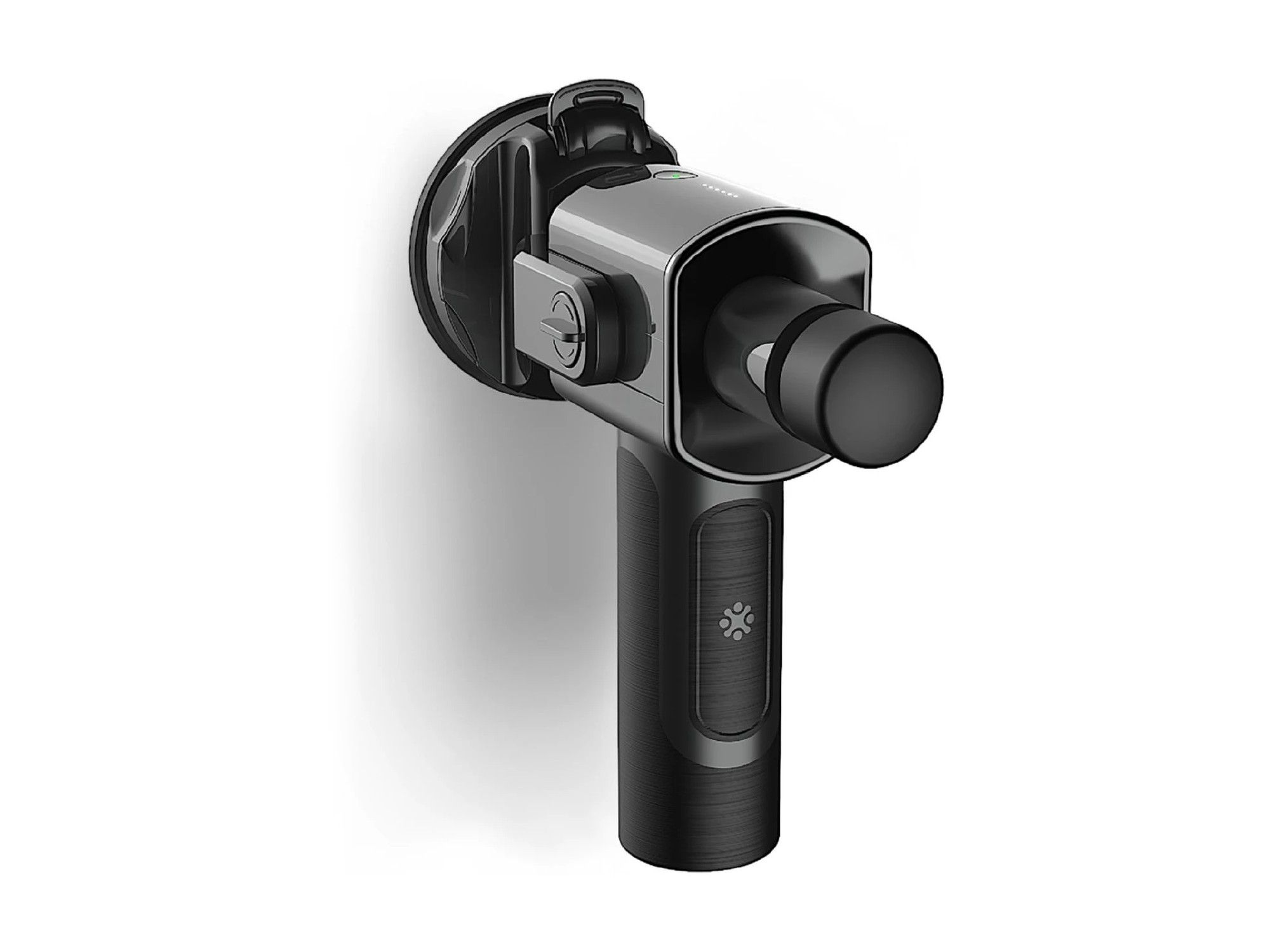
A massage gun that mounts to the wall. Concept to mass production.
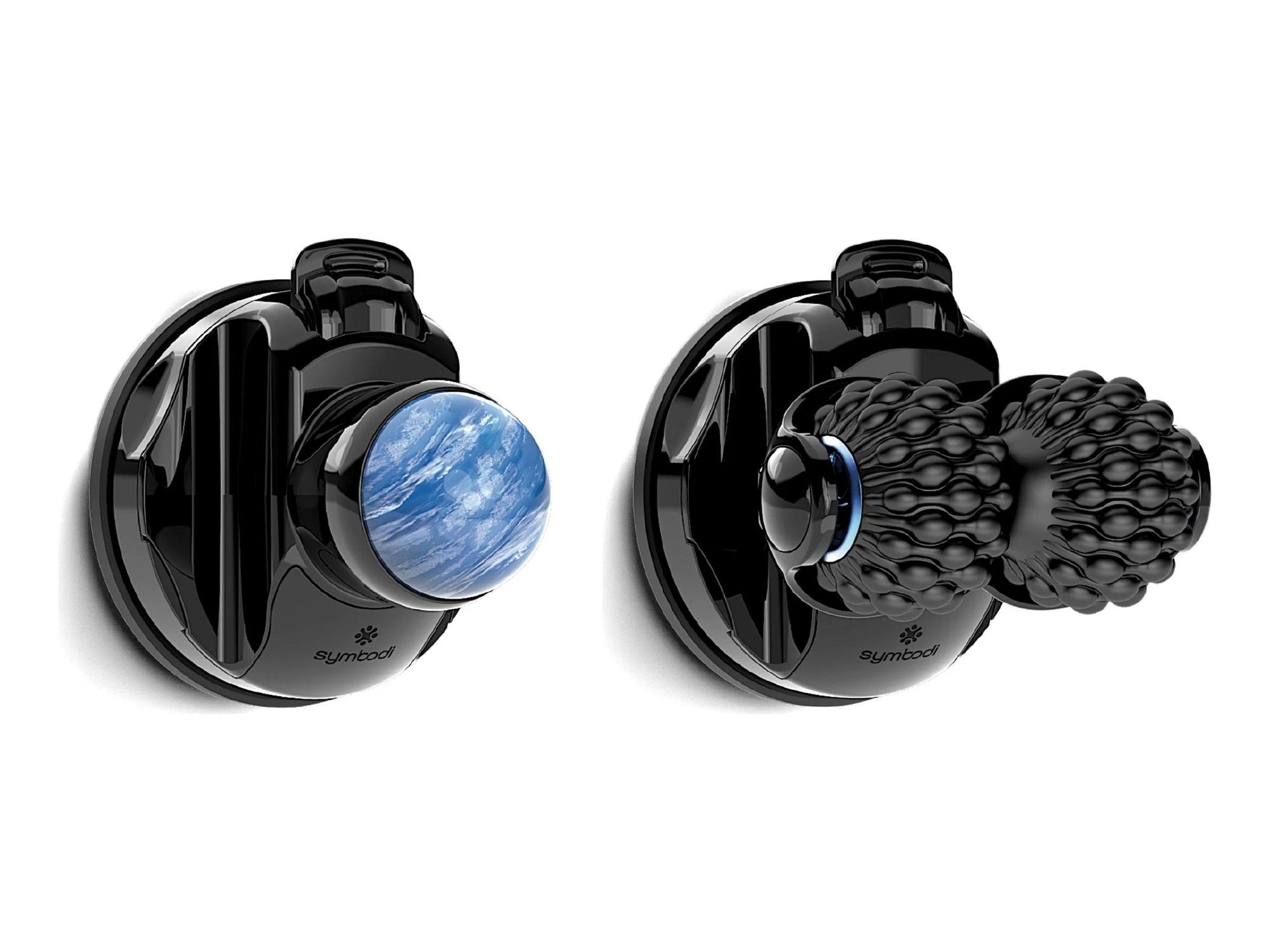
The recovery bundle, from 220 design variations to retail.
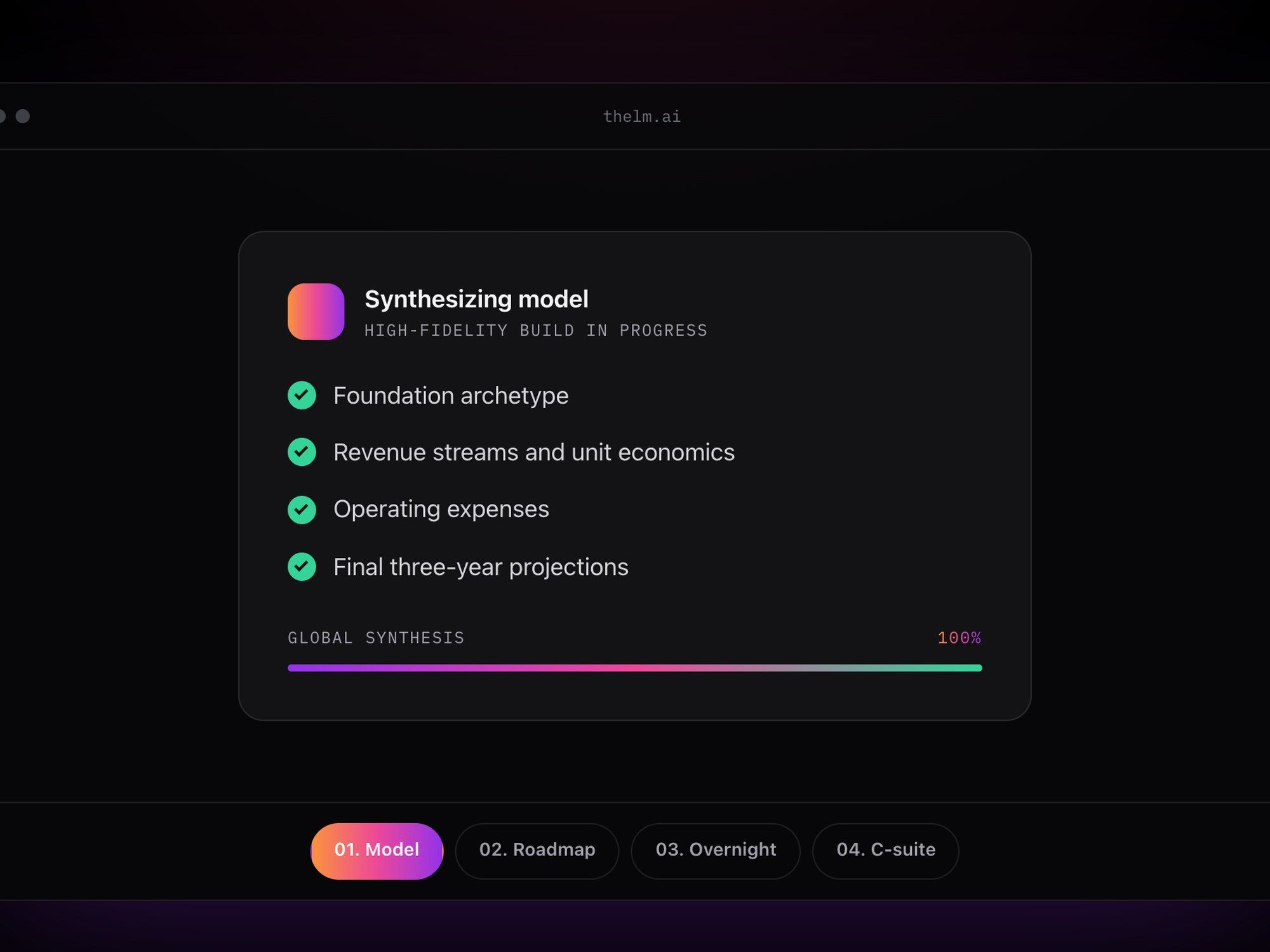
An AI platform that plans a startup, then deploys agents to build it.
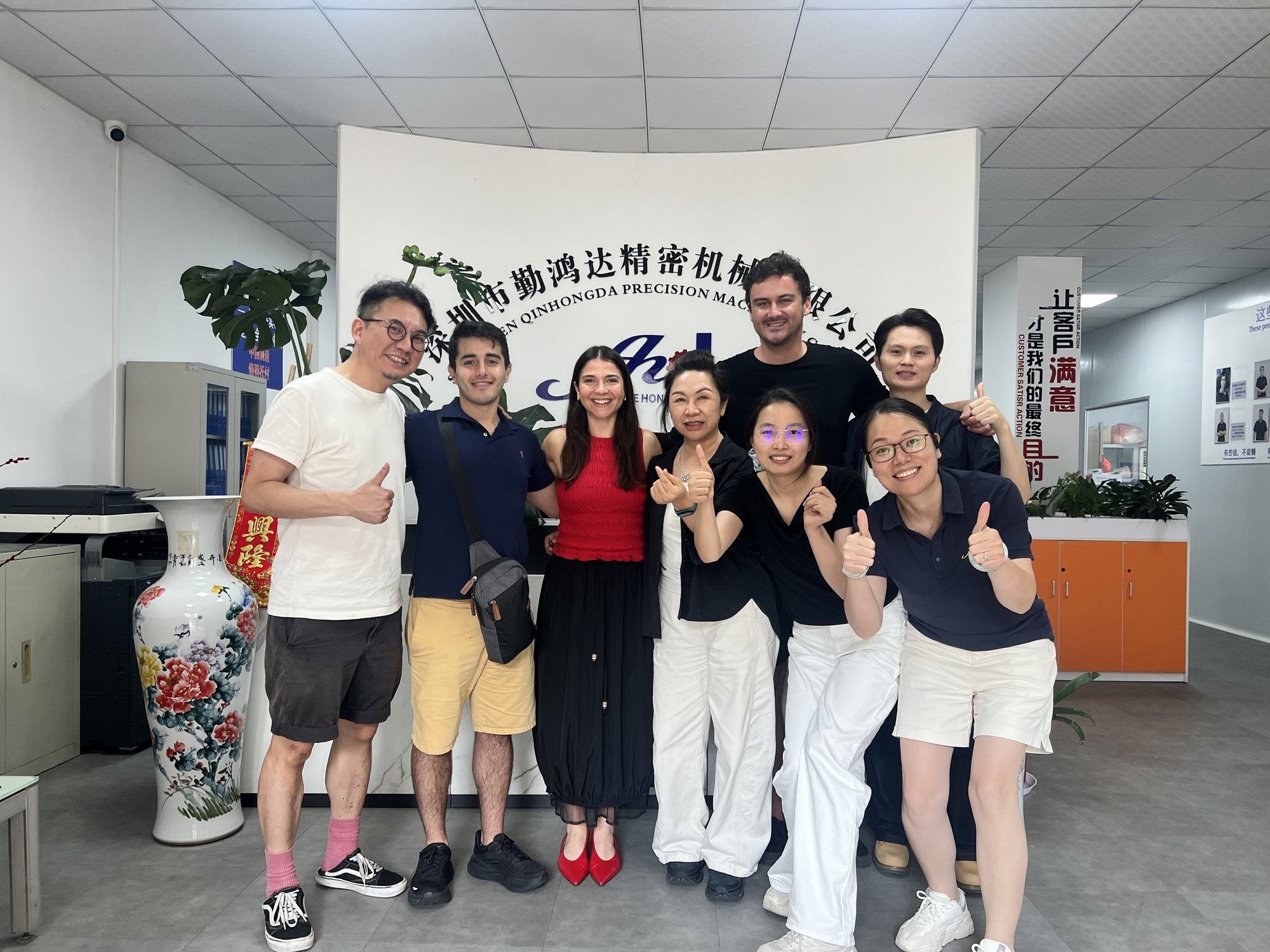
Finding manufacturers for other hardware startups, and taking the founders to meet them.
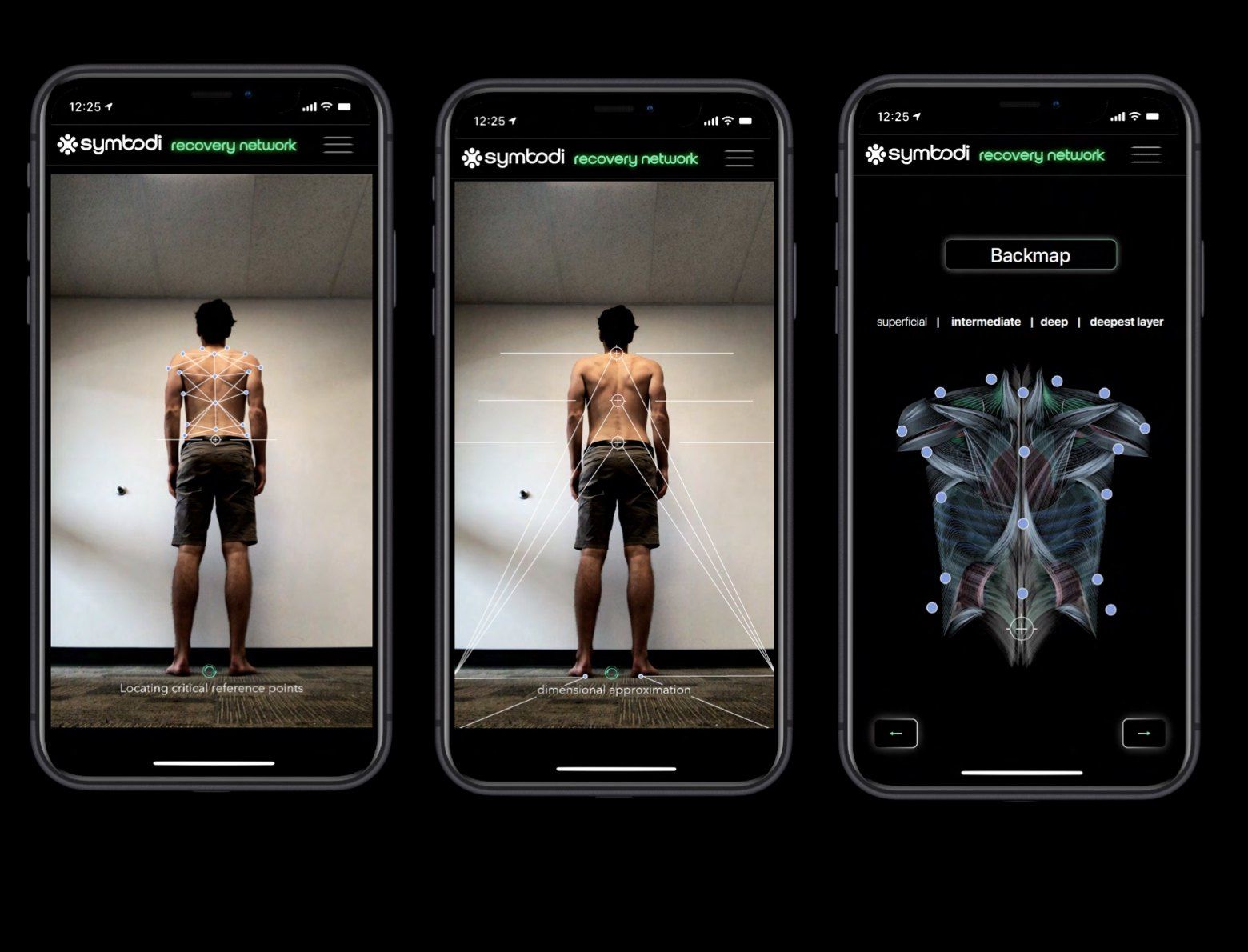
An app that maps your back, tracks each session and connects you to a clinician.
Ideas I designed that never went to market.
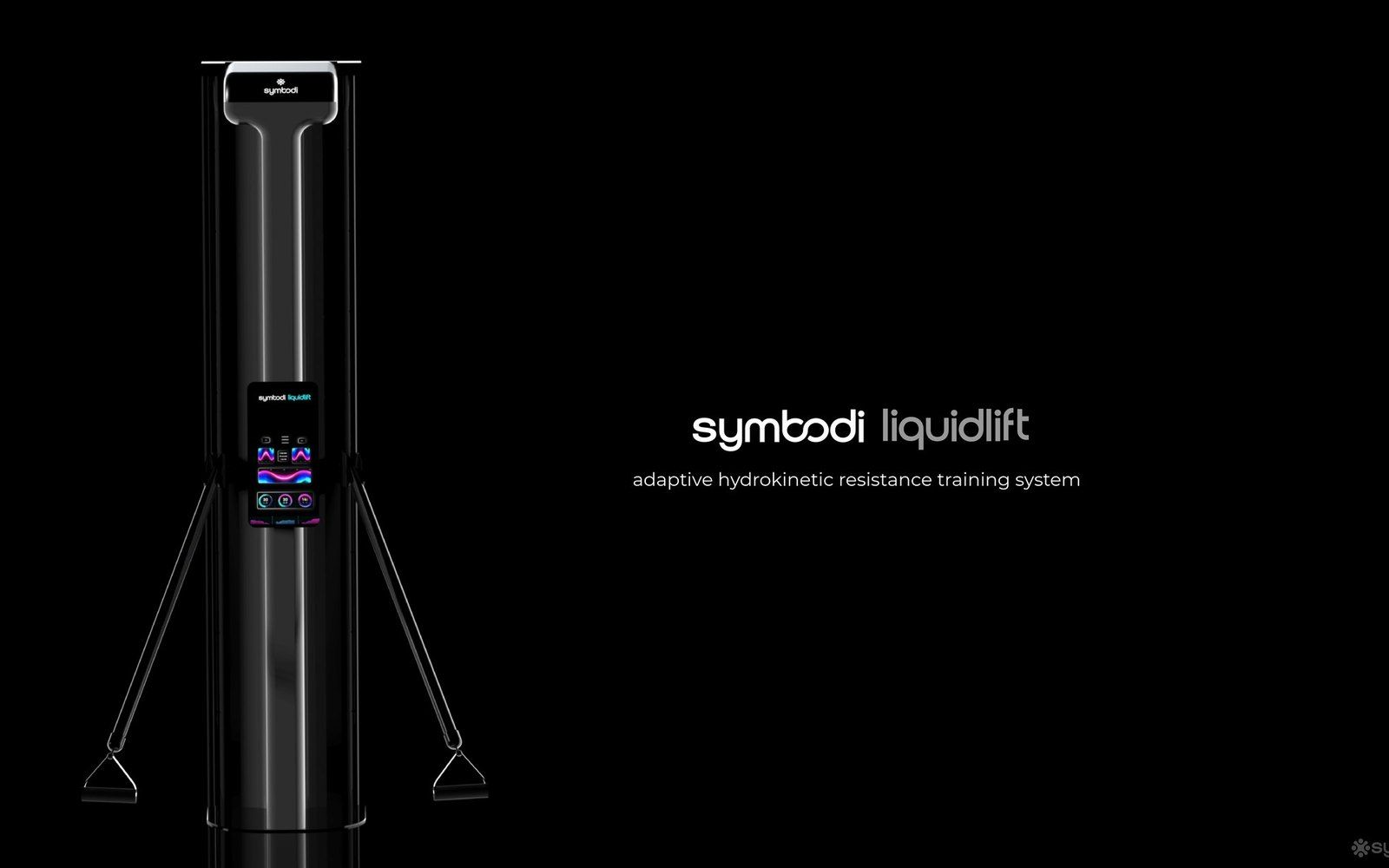
LiquidLift 2022 to 2024
A resistance trainer that uses water to adapt to you, with live trainers and a global leaderboard on its screen.
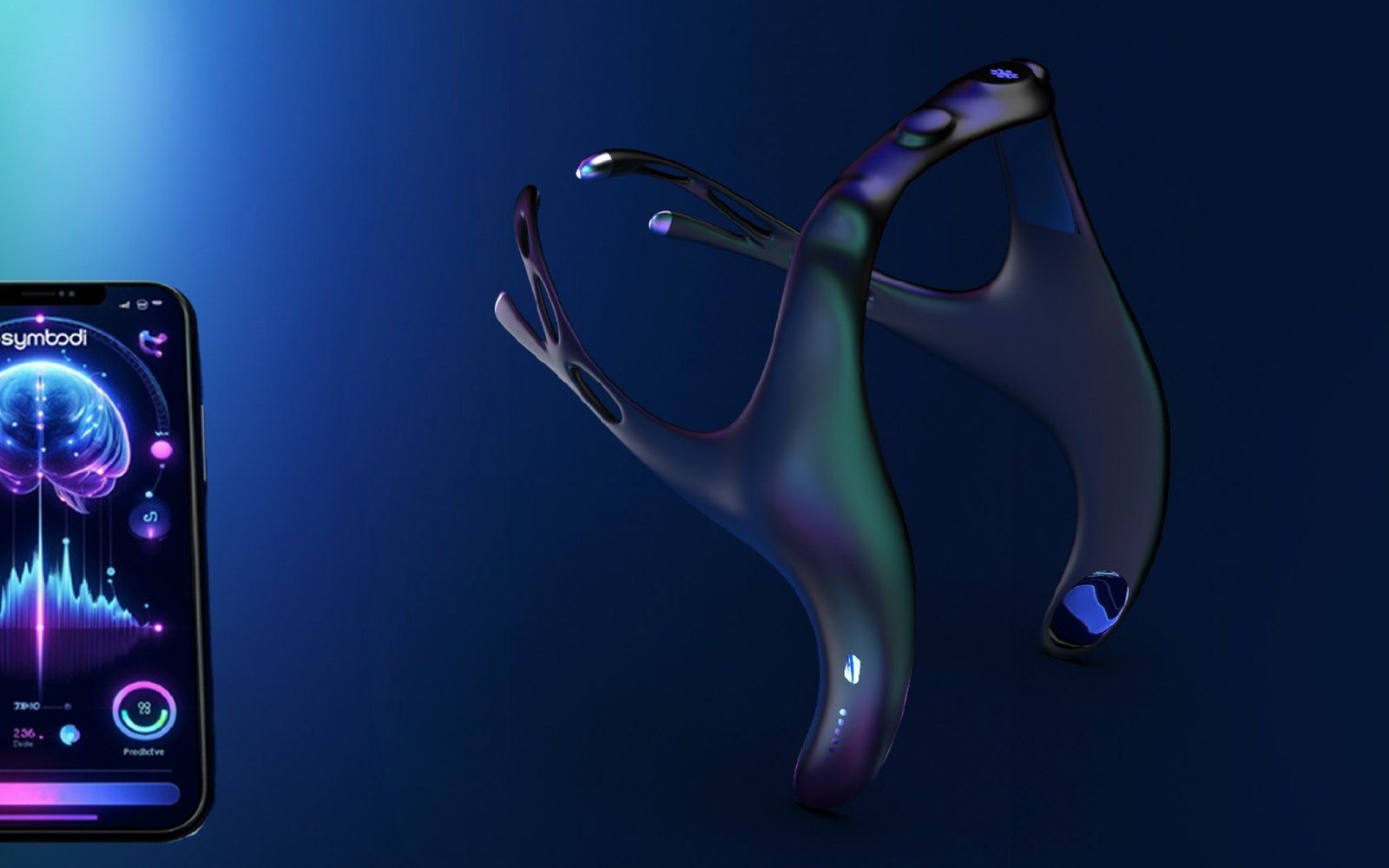
NeuraCycle 2022 to 2023
A sleep headset that reads your brain activity and learns which sounds get you into deep sleep.
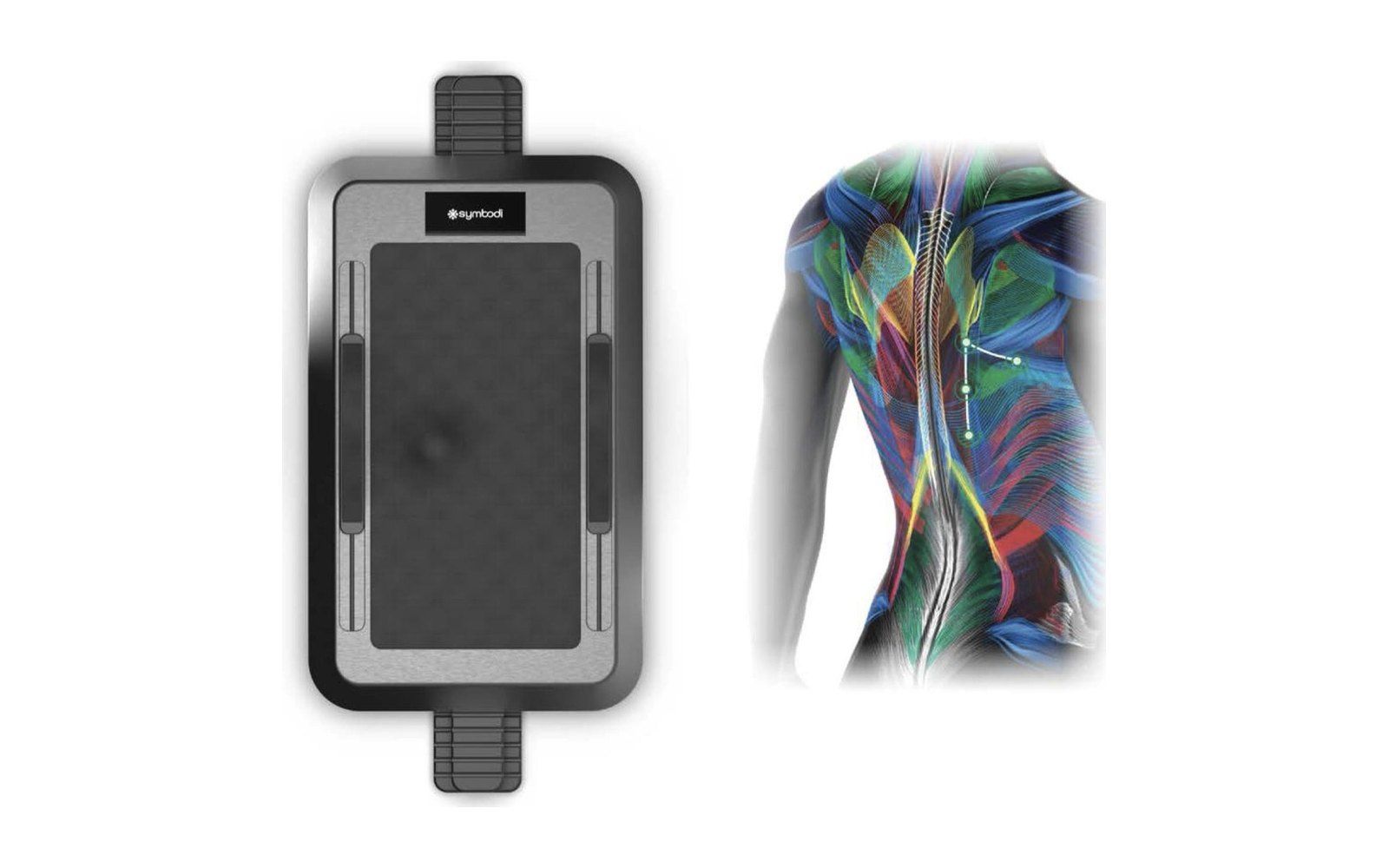
Symbodi Dimension Concept
A 3D massage system that learns your back and repeats the pressure paths that work. It began as my final university design project.
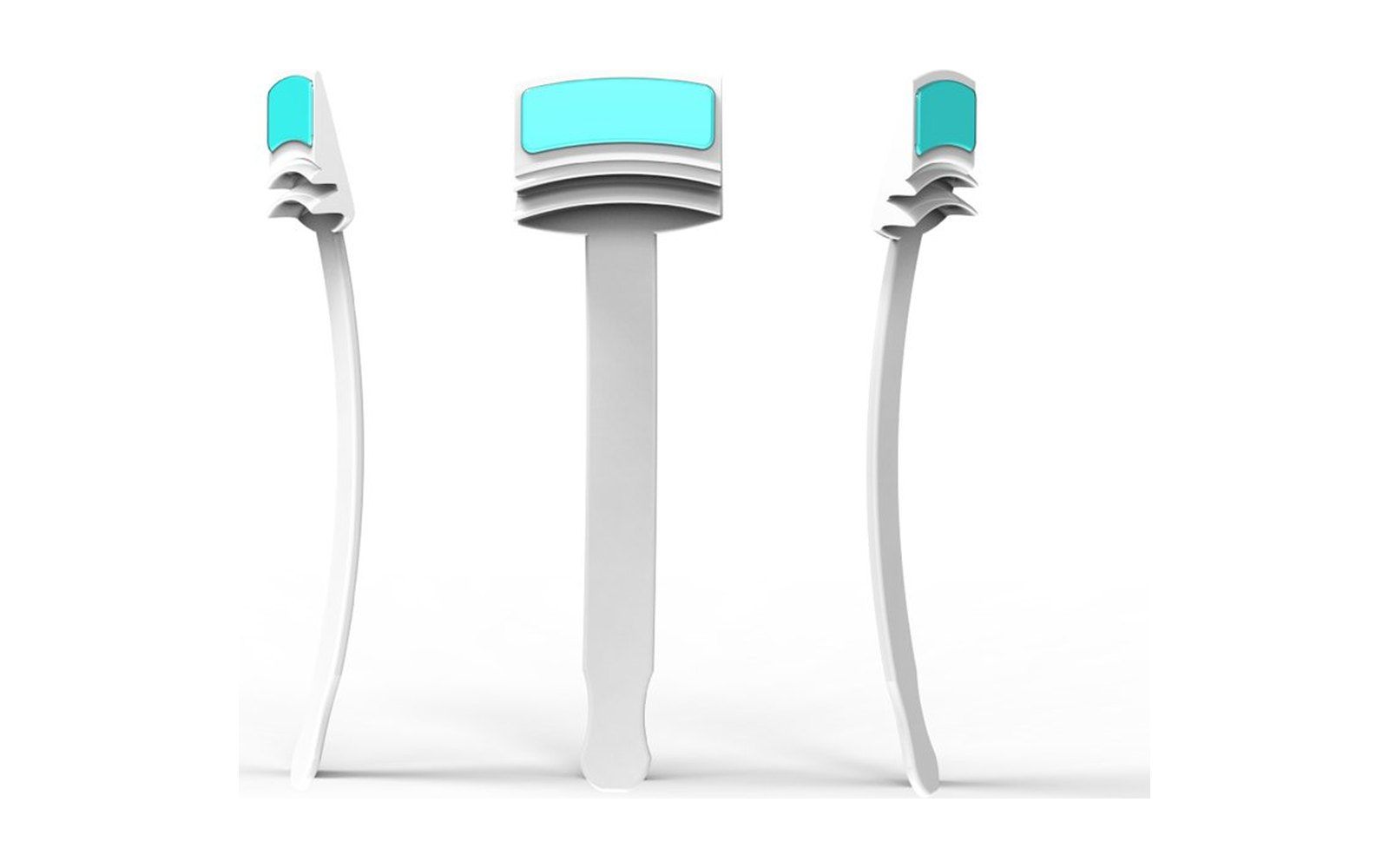
alivo 2016
A disposable tongue scraper with a dissolvable freshening film.
Companies I've worked with
Brand and launch
I shot Symbodi's founder ad myself, on my iPhone. On its own, it drove $5 million in sales through online advertising.
A product has to be understood in the first three seconds. Show it doing its job, let a real person say why it matters, and cut everything else.
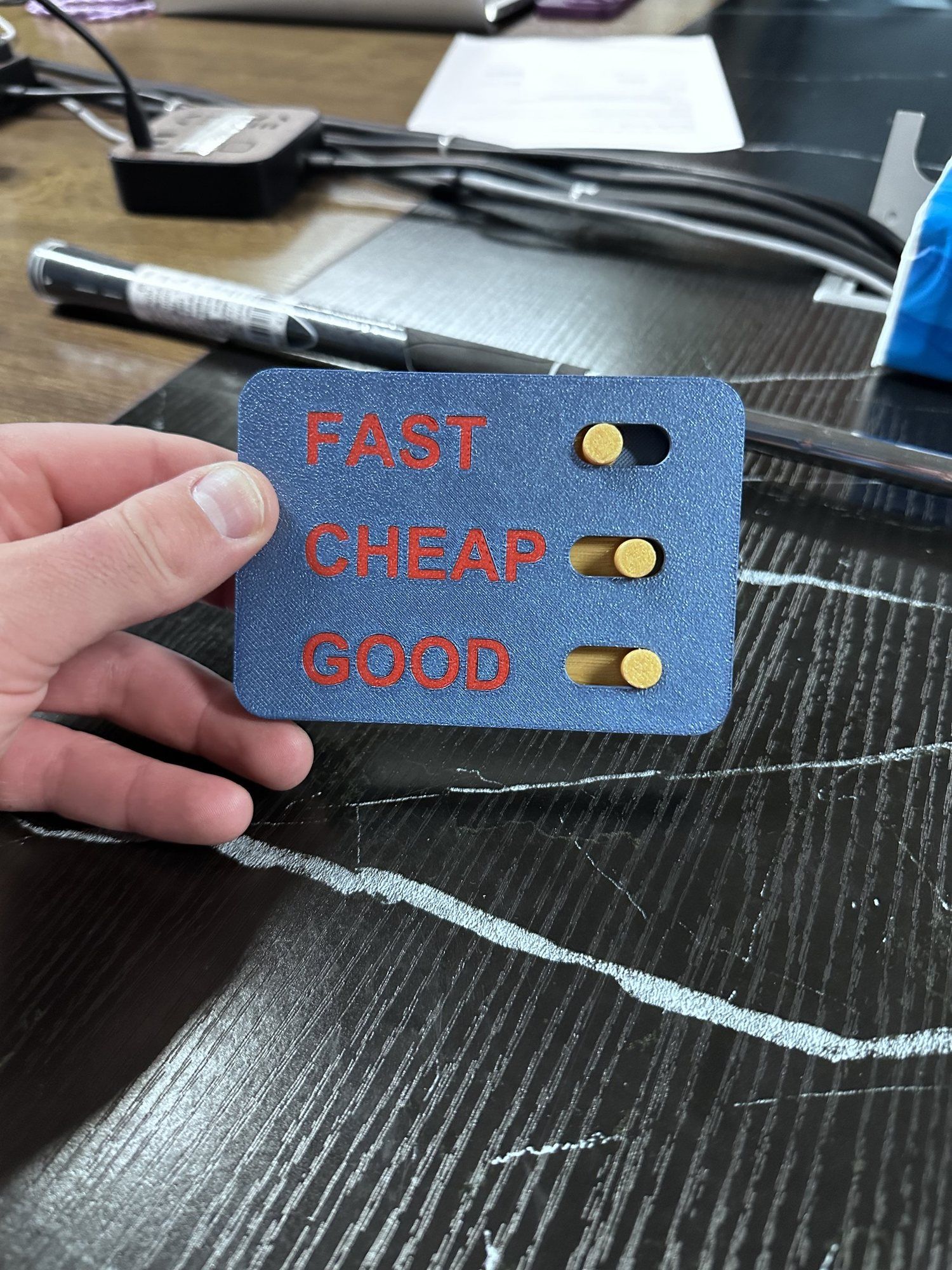
Every product lives inside this triangle. Switch on the third and one of the others gives way. I won't pretend otherwise. I'll help you choose on purpose, and show you what each choice really costs.
Fast and good won't be cheap. Speed costs money: air freight, parallel tooling, more of my hours.
A good factory can turn a rough sketch into a working sample before the week is out. The wrong one will quote you twice what a part should cost, or cut a mould that won't hold tolerance.
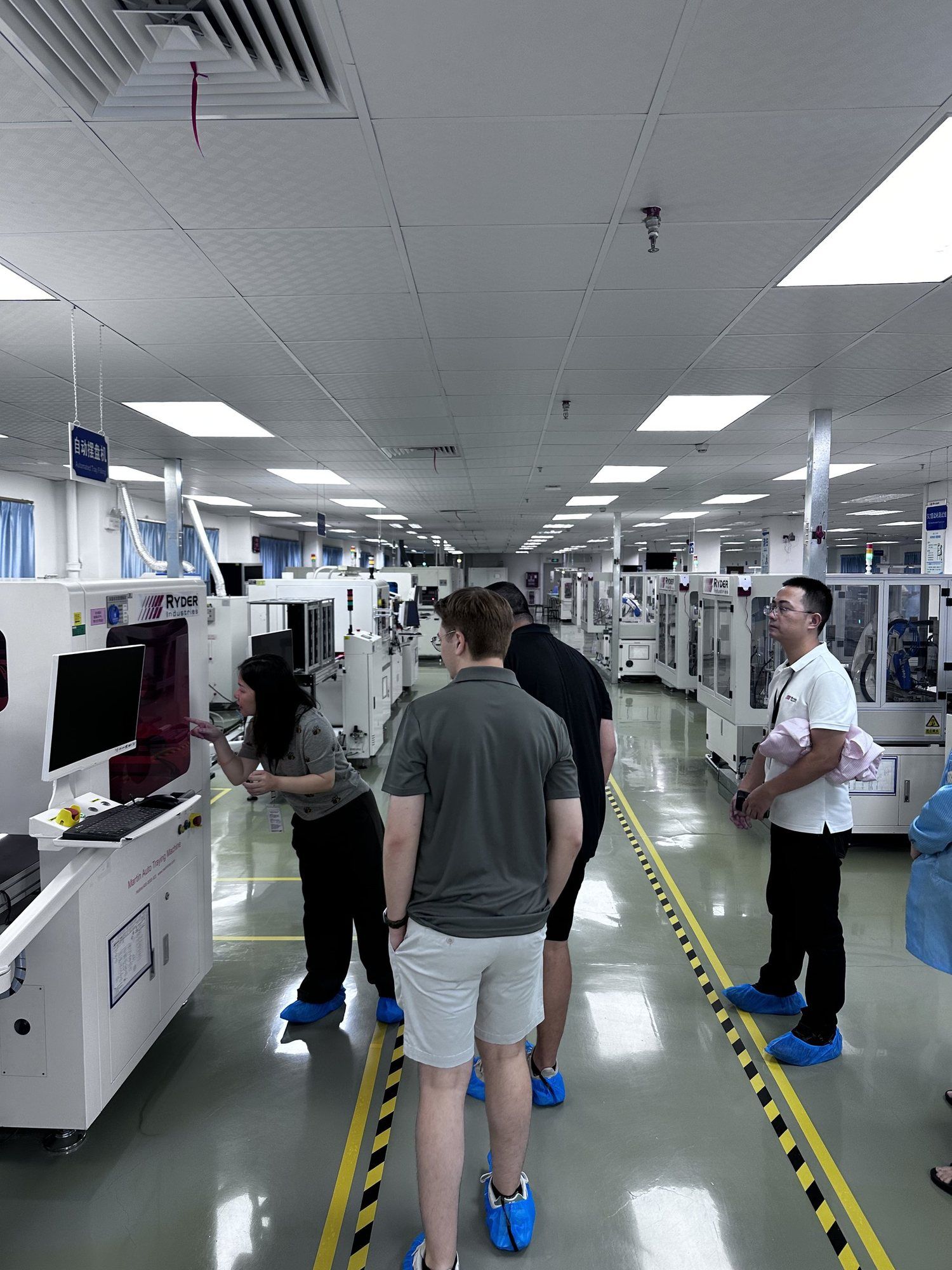
After 13 trips I know how to tell the difference, and how to fix it on the floor. When it's time to choose a factory, I'll take you there.
Plan a factory trip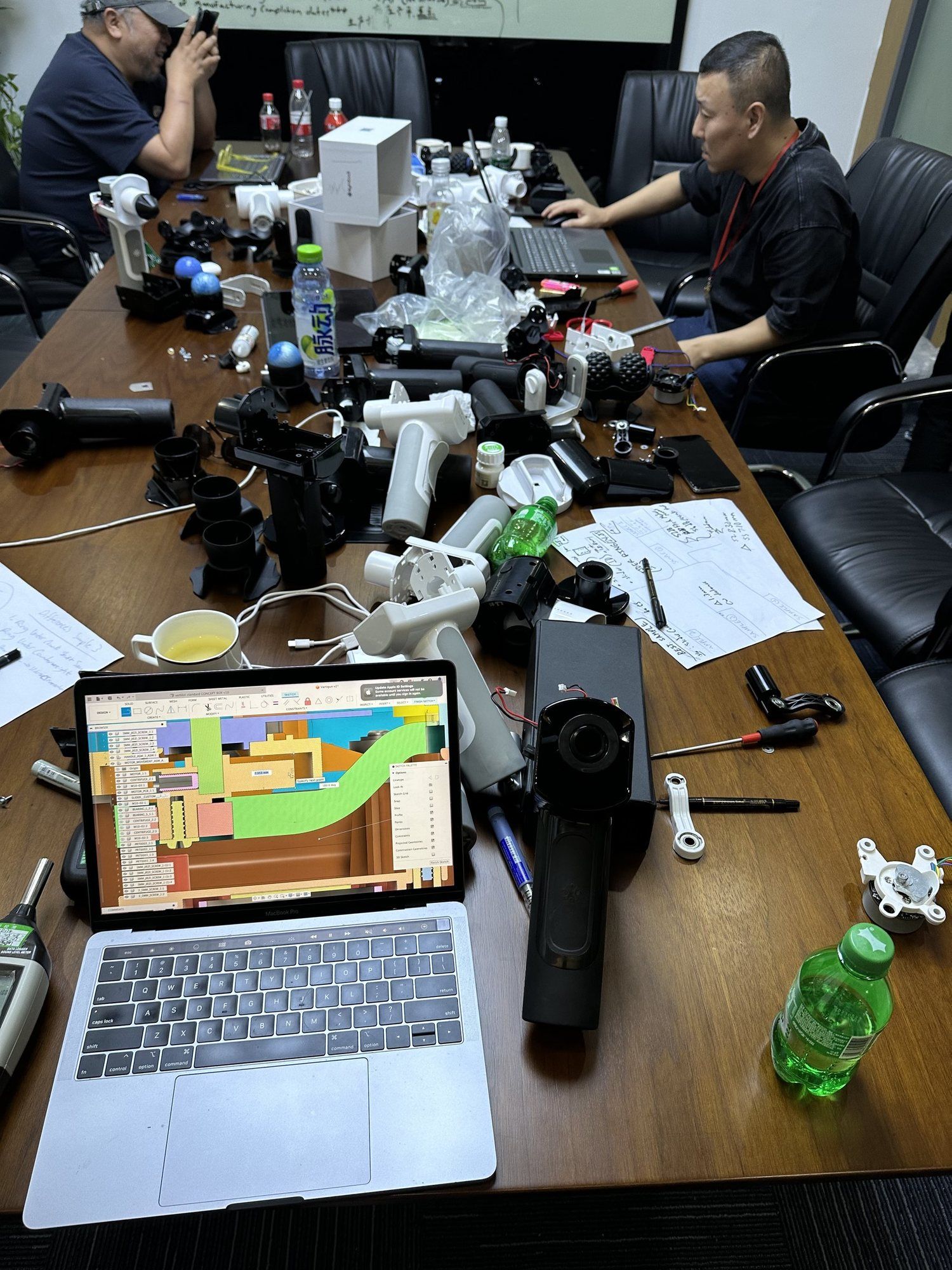
Every product is different, so every project is scoped to fit it. You'll know exactly what you're getting before anything starts.
01
30 minutes, free. Tell me what you're making and where it's stuck. You'll leave with a clear next step, whether or not we work together.
02
I dig into the product, the goals, the timeline and the budget, and work out which of the four forces it needs most.
03
A written proposal: the milestones, what I'll do, what you'll get at each step, and what it takes.
04
Regular check-ins, and I stay with it through the factory floor and the launch. Hire me for one force, or for the whole way.
Anywhere from a working prototype to a product already on shelves. If you only have an idea, the call is still worth it. I'll tell you honestly what the next step costs.
No. Most of the work happens remotely. A trip saves months when it's time to pick a factory or approve first units.
It's the most common fear I hear. The risk is real and manageable. Work with established manufacturers who have more to lose than to gain. Sign an NNN agreement written for China. File your patents before you share drawings. When it matters, split sensitive parts across suppliers. I'll help with all four, and your IP lawyer should review the agreements.
It depends on the project. After the first call I'll scope it and send a proposal that says exactly what's included, so you can decide with everything in front of you.
It depends on part count, materials and volume, which is why the first call is free. Once I've seen what you're making, I'll give you a range.
Mostly. I also build the software, apps and AI tools that go with a product, and I've built AI systems for professional firms.
I do. For specialist work like electronics, tooling and translation, I bring in partners I've worked with in person.
Saint John and Fredericton, New Brunswick. I work with founders anywhere.
Tell me what it is and where it's stuck. I read every message myself and reply within two working days.